Staircase Access Problems for Rubbish Removal South London
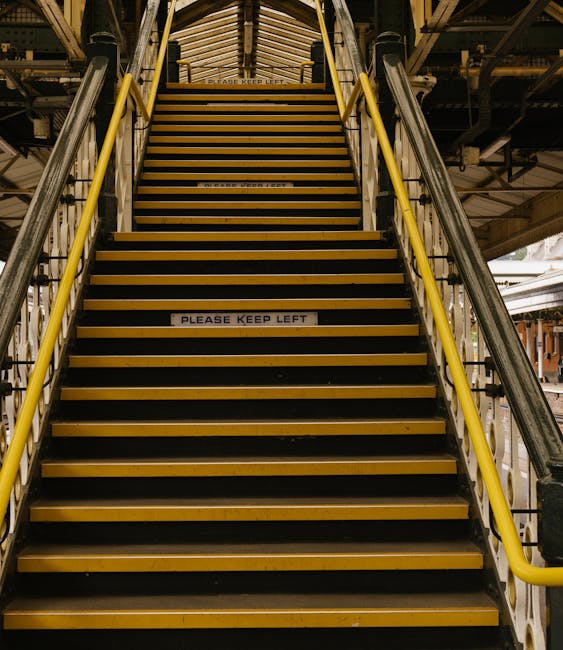
If you live or work in South London, you already know the stairs can be the awkward part. Narrow landings, sharp turns, top-floor flats, basement conversions, shared hallways, old stair rails that leave no room at all - it all adds up. Staircase access problems for rubbish removal South London are more common than people expect, and they can turn a simple clearance into a slow, tiring, and slightly stressful job.
Truth be told, most rubbish is not the problem. The problem is moving it safely through the building without damaging walls, upsetting neighbours, or putting anyone's back at risk. This guide explains what staircase access issues usually look like, why they matter, how a proper clearance is handled, and what to do before the team arrives. If you're planning a larger job, it may also help to look at related services such as flat clearance, house clearance, or rubbish removal depending on what you need cleared.
You'll find practical advice here, not vague fluff. Let's face it, when you're staring at a sofa that will not make the bend on the third-floor landing, you want real answers fast.
Why Staircase Access Problems for Rubbish Removal South London Matters
Stair access changes the whole shape of a clearance job. A bulky item that looks manageable in a hallway may suddenly become awkward when it reaches a tight turn or a stairwell with limited headroom. In South London, this often happens in converted terraces, mansion blocks, older maisonettes, and flats with compact communal stairs. One wrong lift, and you can end up with chipped paint, scratched banisters, or a strained shoulder. Not ideal.
It matters because access problems affect more than speed. They affect safety, cost, noise, and whether the job can even be completed as planned. A team may need extra people, more time, or different handling methods. In some cases, the item needs partial dismantling before it can be removed at all.
For the customer, the biggest issue is uncertainty. People often think, "Will they actually get this out?" or "Am I going to be charged more when they see the stairs?" Those are fair questions. A professional service should discuss the access clearly before the visit and explain any likely complications in plain English.
Expert summary: staircase access issues are rarely about one item being impossible. More often, they are about planning the route, protecting the property, and choosing the safest way to move the waste without creating more problems than the rubbish itself.
In areas like Clapham, Brixton, and Vauxhall, where there are plenty of flats above shops, older conversions, and busy shared staircases, this is especially relevant. The local housing stock makes access planning a normal part of the job, not an exception.
How Staircase Access Problems for Rubbish Removal South London Works
Good rubbish removal starts before anyone lifts a thing. The first step is a quick assessment of the route: front door, hallway, stairs, landings, corners, fire doors, shared corridors, and any points where items may need to pivot or be carried two-person style. If the route is tight, the team works out whether the item can pass through safely as is, or whether it should be broken down first.
For a sofa, wardrobe, mattress, desk, or broken appliance, the approach usually depends on three things: size, weight, and shape. A long straight staircase can be easier than a short staircase with a tight half-turn. Oddly enough, a lighter item can be harder to move if it has a floppy or awkward frame. That's the kind of thing that catches people out.
A proper clearance team will usually protect the route as needed, move carefully in stages, and communicate clearly with the client if a plan needs to change. If the item cannot be taken down safely in one piece, they may recommend dismantling, splitting loads into smaller sections, or using a different removal method for the waste.
This is where service choice matters. General rubbish clearance is often suitable for mixed household waste, while larger items may be better handled through furniture disposal or sofa removal. The right service saves time and reduces the chance of a messy hallway, which nobody wants at 8 a.m. on a weekday.
Staircase access planning also interacts with the property type. A single narrow staircase in a terraced house is one thing. A top-floor flat with no lift, a shared entrance, and neighbours trying to get a buggy through at the same time is another. In the real world, timing matters. So does patience.
Key Benefits and Practical Advantages
When staircase access is properly planned, the benefits go beyond convenience. The job becomes safer, faster, and less likely to cause damage. It also helps reduce stress for everyone involved. That sounds simple, but on the day of a clearance, simple is good.
- Less risk of damage: careful route planning lowers the chance of scuffed walls, marked paint, broken trim, or bent stair rails.
- Improved safety: fewer awkward lifts mean less strain on workers and less chance of an accident.
- More accurate pricing: if access is known in advance, the job can be scoped more realistically.
- Better timing: crews can bring the right number of people and plan the sequence properly.
- Less disruption to neighbours: fewer repeated trips and less noise in communal spaces.
- Cleaner finish: a well-managed clearance avoids leaving the stairwell looking like a minor battlefield.
If you are dealing with a full property clear-out, the same principles apply across the whole home. That might include loft items, bedroom furniture, old white goods, or mixed bagged waste. In that case, broader services like home clearance or waste removal may be more suitable than trying to handle each item separately.
There is also a practical mental benefit, which people underestimate. When you know the access has been reviewed, you stop worrying about every corner and simply get on with the day. Small thing, but it helps.
Who This Is For and When It Makes Sense
This topic matters to more people than you might think. Staircase access problems are not just a "big furniture" issue. They affect anyone clearing items from upper floors, basement flats, maisonettes, split-level homes, and buildings with shared circulation spaces.
It makes sense if you are:
- moving rubbish from a top-floor flat with no lift
- getting rid of a bulky item that will not fit the turning space
- clearing a property before sale or letting
- removing office waste from an upper floor
- dealing with renovation debris in a tight stairwell
- emptying a garage, cellar, or garden outbuilding where access is indirect
It is also useful for landlords, letting agents, facilities managers, and small business owners. If you run a business in a converted building, the stairs may be the real bottleneck, not the waste pile itself. For that sort of job, business waste or office clearance can be a better fit than a one-off collection model.
We often see this in places like Wandsworth, Battersea, and Putney, where there's a mix of period conversions, modern flats, and houses chopped into multiple levels. Different buildings, same story: the staircase decides the pace.
Step-by-Step Guidance
If you want the smoothest possible removal, the key is to prepare the route before the team arrives. A little effort up front saves a lot of faffing around later.
- Measure the problem item. Note the height, width, depth, and any awkward angles. Don't guess if you can avoid it.
- Check the staircase route. Look for tight turns, low ceilings, boxed-in radiators, railings, or doors that swing into the path.
- Clear the route. Move shoes, prams, bins, plant pots, bikes, and anything else that narrows the stairs.
- Tell the team about access early. Mention top-floor flats, narrow communal landings, or any stairwells shared with neighbours.
- Decide whether dismantling is needed. Some items are quicker and safer in pieces. A flat-pack wardrobe, for example, is rarely worth wrestling whole.
- Protect surfaces where needed. If the stairwell is tight or newly decorated, use coverings or ask the team how they handle protection.
- Plan the order of removal. Start with the easiest items so the route stays clear for larger pieces later.
- Allow extra time. A staircase job should not be rushed. Rushing is where mistakes happen.
One small but useful habit: photograph the stair route before collection day. A quick phone photo of the corners and any narrow areas can be surprisingly helpful. It gives everyone a shared view of the space, and sometimes that saves a wasted visit. Nobody loves those.
If the job also involves large household items, you may need a combined approach with house clearance or waste clearance. That is especially handy if the property is being emptied room by room.
Expert Tips for Better Results
Here's the thing: most staircase access problems are easier to manage than they first look, if you plan like a calm person rather than a panicked one. Which, to be fair, is harder on moving day.
- Keep the stairwell dry and tidy. Wet floors and clutter make a tricky job much riskier.
- Use the widest route available. Sometimes a secondary entrance, side path, or rear access works better than the obvious front door.
- Take doors off only if needed. It can help with clearance, but only if it's safe and practical to do so.
- Break the load down logically. One large item may become two manageable ones with a bit of careful dismantling.
- Communicate with neighbours. A quick heads-up can avoid awkward moments on a narrow landing.
- Prioritise fragile walls and bannisters. Old plaster and painted timber show damage easily, especially in older South London properties.
Another useful tip: if you have a mixed pile of rubbish, separate the light waste from the bulky pieces before the team arrives. It sounds obvious, but it often speeds things up. A little sorting goes a long way.
For awkward furniture, it can help to combine a furniture-specific service with general waste handling. For example, a broken sofa, a wardrobe carcass, and a pile of packaging may need both sofa removal and rubbish collection depending on the load. That's not overcomplicating it - it's just being sensible.
Common Mistakes to Avoid
The biggest mistake is assuming the stairs "look fine" and leaving it at that. Stairs can look fine until someone tries to turn a wardrobe halfway up the landing. Then the whole mood changes, quickly.
- Underestimating item size. A sofa or mattress can be much harder to manoeuvre than people expect.
- Not mentioning access issues early. This can lead to the wrong vehicle, the wrong number of staff, or the wrong plan.
- Blocking the stairwell. Even a small pile of shoes or boxes can become a major nuisance in a tight hall.
- Forcing an item through. If it doesn't fit, don't bully it. That is how damage happens.
- Ignoring communal rules. Shared entrances and stairwells often need a bit of courtesy and timing.
- Assuming every job is one-method-fits-all. Sometimes the best answer is dismantling, sometimes it is a different route, and sometimes it is a different service entirely.
A less obvious mistake is not accounting for the return journey. You may get an item down one set of stairs, only to find the final doorway is tighter than the staircase itself. It happens. Annoying, but common.
If the property is part of a larger clearance, especially in a multi-floor home or rented flat, the cleaner path may be to bundle the work under flat clearance or rubbish removal rather than trying to tackle items one by one.
Tools, Resources and Recommendations
You do not need a van full of specialist gear to understand stair access problems, but a few simple tools make the planning better. A tape measure, gloves, sturdy shoes, a torch, and a phone camera are usually enough to identify most issues before collection day.
For the actual removal team, useful equipment may include blankets, straps, trolleys, boards, and protective coverings. Not every job needs all of them, of course. But when stairs are tight, the right kit matters more than people think.
From a customer point of view, here is what helps most:
- measurements of the main item
- photos of the stairwell and landings
- a note of any fire doors, lifts, or access codes
- details of parking or loading restrictions
- a rough idea of how much waste there is overall
If you are comparing service types, it can also help to check whether you need a simple collection, a full clearance, or a specialised item removal. A garden job, for example, is very different from a stair-heavy furniture job. A garden clearance might involve very different access concerns from an upstairs flat, while a builders waste job may involve dust, rubble, and a different safety profile altogether.
Local geography matters too. In neighbourhoods like Streatham, Tooting, and Stockwell, mixed housing types mean no two staircases feel the same. One street can contain a broad Victorian staircase, a narrow conversion, and a modern block all at once. South London keeps things interesting, that's for sure.
Law, Compliance, Standards and Best Practice
For stair-access rubbish removal, compliance is mostly about safety, duty of care, and reasonable handling. The key principle is simple: waste should be removed without creating unnecessary risk to people or property. That means safe lifting, sensible loading, proper segregation where needed, and responsible disposal routes.
If a property has shared access, the people carrying out the work should also respect building rules, fire exits, and communal areas. In practical terms, that means not blocking escape routes, not leaving waste in stairwells, and not making a nuisance of yourselves for the sake of a shortcut. Neighbours tend to remember that sort of thing.
For heavier items or awkward removals, best practice usually includes:
- using enough people for the load
- avoiding solo lifts where the item is too bulky
- protecting walls and corners where sensible
- lifting and carrying in a controlled way
- keeping routes clear throughout the job
Where waste is being removed from a home, flat, or business, it should be handled responsibly from collection through disposal. If you need a broader waste solution, the most relevant service page may be waste disposal or waste collection, depending on the type of material and the scale of the job.
As always, if you are unsure about a specific building's access rules or the safest way to remove a large item, ask first. That advice saves hassle later.
Options, Methods, or Comparison Table
Different access problems need different approaches. There isn't one magic answer, which is mildly annoying, but it is the reality.
| Method | Best for | Pros | Watch-outs |
|---|---|---|---|
| Carry item as one piece | Small or medium loads with clear stairs | Fastest option, less handling | Can fail quickly if the staircase is tighter than expected |
| Dismantle before removal | Wardrobes, beds, desks, larger furniture | Often safer and easier through tight turns | Needs time and the right tools |
| Split the load into smaller pieces | Mixed rubbish and awkward bulky items | More flexible in tight stairwells | Can take longer and require more trips |
| Use an alternative access route | Buildings with rear entrances or wider side routes | Can avoid the worst bottlenecks | May require permission or coordination |
| Use a specialised full clearance service | Flat, house, or office clearances with multiple items | Better planning for larger jobs | Needs a clearer brief before booking |
If the job is mostly domestic and spread across rooms, a home clearance or house clearance may offer the best fit. If the main issue is one awkward item - say a sofa, mattress, or old armchair - then a more focused removal service is usually enough.
Case Study or Real-World Example
A typical example: a tenant in a third-floor flat in South West London needs an old sofa, a broken coffee table, and several black bags removed before the end of the tenancy. The stairwell is narrow, the landing turns sharply, and the front entrance is shared. At first glance, the sofa looks impossible. It isn't impossible, but it does need a plan.
First, the dimensions are checked. The sofa is too wide to take the turn intact, so the team decides to remove the feet and separate the frame where possible. The hallway is cleared. The client warns the downstairs neighbour about the removal time, which helps more than you'd think. On the day, the team moves the lighter bags first, then handles the sofa with a two-person carry, keeping the frame protected at the corners. The job takes longer than a straight lift from a ground-floor property, but it is completed cleanly and without damage.
That kind of job is common in places like Balham, Tooting Bec, and Earlsfield, where flats and converted homes often combine limited access with bulky household waste. The lesson is simple: a tricky staircase does not automatically mean a failed collection. It means the route needs thinking through.
And yes, sometimes the staircase wins for five minutes. Then the right approach wins back the day.
Practical Checklist
Use this before your collection day. It keeps things calmer.
- Measure the item or items
- Photograph the staircase, landings, and any tight turns
- Clear clutter from the route
- Tell the team about shared access or door codes
- Check whether parking or loading access is nearby
- Confirm whether items need dismantling
- Separate bulky items from smaller loose waste
- Warn neighbours if the stairwell is shared
- Allow extra time for a careful removal
- Choose the most suitable service for the type of waste
If you have a lot of mixed waste rather than just one or two items, it may be worth looking at waste removal or waste clearance so the whole job is handled in one go. Simpler for you, honestly.
Conclusion
Staircase access problems for rubbish removal South London are really about preparation, safety, and choosing the right method. The stairs themselves may be narrow, steep, or awkward, but the job becomes manageable when the route is measured, the waste is identified properly, and the removal plan matches the building.
Whether you are clearing a flat, removing a sofa, emptying a house, or dealing with a pile of mixed waste, the key is not to rush the access. Plan it, communicate it, and use the right service for the load. That usually saves time, prevents damage, and makes the whole thing feel far less daunting.
And if it's one of those days when everything seems to need carrying down three flights of stairs at once, take a breath. It does get sorted.
Get a free quote today and see how much you can save.
Frequently Asked Questions
What counts as a staircase access problem for rubbish removal?
It usually means the route from the property to the exit is too narrow, too steep, too tight, or too awkward for normal item removal without extra planning. Common examples include sharp turns, low ceilings, small landings, and shared stairwells.
Can large furniture be taken down narrow stairs?
Often, yes - but it depends on the furniture and the staircase. Some items can be removed intact, while others need dismantling or partial breakdown first. A good team will assess that before they start.
Do staircase access issues make rubbish removal more expensive?
They can, because the job may take more time, extra labour, or special handling. That said, not every stair-heavy job costs more. The final price depends on the waste type, volume, and how difficult the access really is.
Should I measure my staircase before booking?
Yes, if you can. Even basic measurements of the item and the tightest part of the staircase help a lot. Photos are even better. They give a clearer picture than memory, which is not always reliable on moving day.
What if my flat is on the top floor with no lift?
That is very common in South London, and it does not automatically stop a clearance. It just means the team needs to plan for extra carrying time and safe handling. Mention it upfront so the job is scoped properly.
Can rubbish be removed through communal stairwells?
Usually yes, provided the route is clear and the building rules are respected. The key is not to block exits, damage shared surfaces, or leave mess behind. Courtesy matters in shared buildings.
Is dismantling always necessary for staircase removals?
No. Many items fit through stairs without being broken down. Dismantling is only used when it improves safety, makes the item fit, or reduces the chance of property damage.
What should I do before the removal team arrives?
Clear the route, measure the item, take photos if needed, and tell the team about any awkward access points. If there are neighbours, shared entrances, or parking restrictions, mention those too.
Is staircase access a bigger issue for flats than houses?
Usually yes, especially in older flats and conversions. But houses can be tricky too, particularly if they have split levels, basement rooms, or very narrow internal staircases. Old London properties have a habit of surprising people.
What type of service is best for bulky items on stairs?
That depends on the load. For one large item, something like sofa removal or furniture disposal may be enough. For multiple rooms or mixed contents, a broader clearance service is often the better option.
How do I know if the staircase is too tight for removal?
If the item cannot turn safely on the landing or leaves almost no clearance at the handrail, it may need dismantling or a different route. A quick assessment and a few photos usually make that clearer before the collection starts.
Do I need to worry about damage to walls and bannisters?
Yes, especially in older buildings with narrow stairwells and painted surfaces. Good protection and careful handling reduce the risk, but it is sensible to point out fragile areas before the job begins.