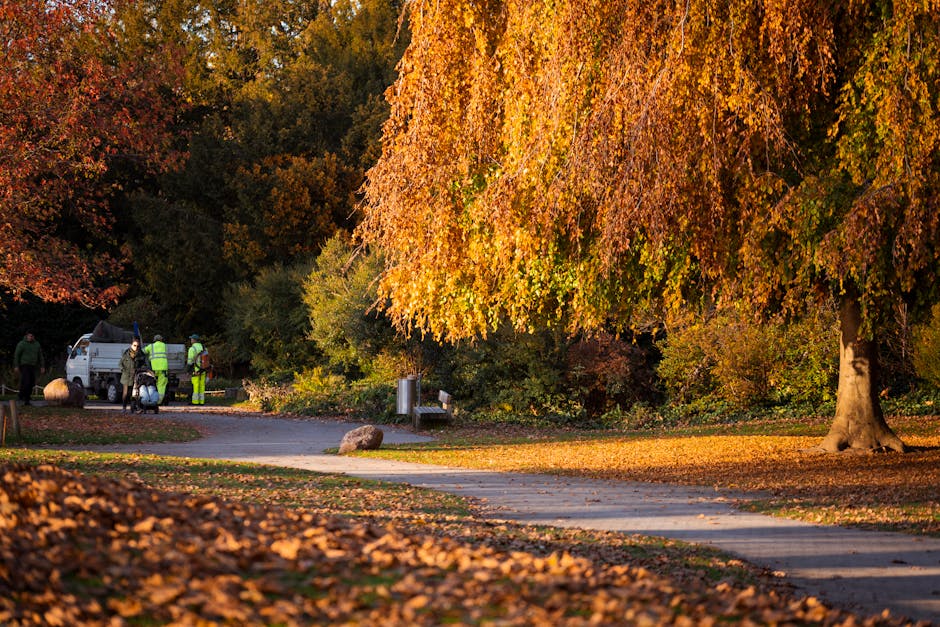
Brockwell Park garden rubbish removal for South London homes
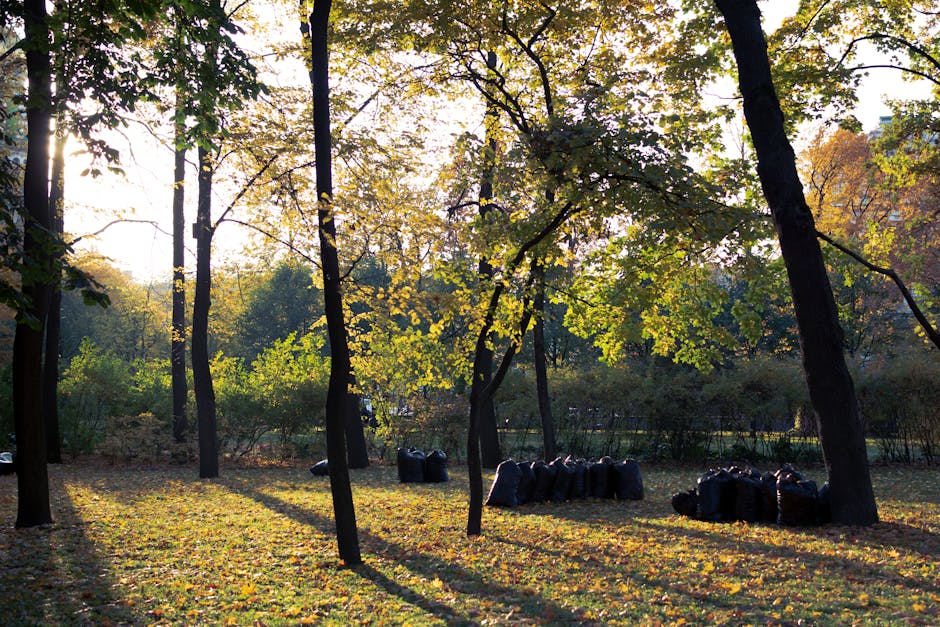
If your garden has tipped from "a bit untidy" into "where did all this come from?", you are in the right place. Brockwell Park garden rubbish removal for South London homes is about more than simply taking away bags of cuttings. It is about clearing space properly, dealing with mixed green waste, old fencing, soil, branches, broken planters, and the awkward bits that never quite fit in a normal bin. In South London, where many gardens are compact, shared, or tucked behind terraces, the job needs a practical approach. Not flashy. Just done well.
In this guide, you will learn what the service usually involves, why it matters in a busy local area, how the process works, and what to look out for before you book. We will also cover common mistakes, best-practice expectations, and a simple checklist you can use straight away. If you are weighing up a one-off clearance against doing it yourself, this should help you make a calm, sensible decision. Truth be told, garden waste has a habit of growing legs if you leave it too long.
Why Brockwell Park garden rubbish removal for South London homes matters
Brockwell Park sits in a part of London where gardens work hard. Some homes have long narrow plots. Others have smaller patios, split-level spaces, or shared access through side passages and back gates. That makes garden clean-up jobs feel bigger than they look. A few hedge trimmings, some soil, an old shed panel, and suddenly the pile becomes awkward, heavy, and slightly annoying to live with.
Garden rubbish removal matters because it restores usable space quickly and safely. It also helps you avoid the common trap of storing waste "for later" until it blocks access, attracts damp, or becomes a nuisance. In a local setting like South London, that is especially useful after seasonal pruning, landscaping work, storm damage, or a serious clear-out after moving in or moving out.
There is another angle too: garden waste is not all the same. Green waste, timber, soil, rubble, metal, plastics, and general rubbish may all need different handling. A proper removal service understands that mix and does not just shovel everything into one bag and hope for the best. That sounds obvious, but you would be surprised. We have all seen the heroic overstuffed sack wobbling down a driveway at 7:30 on a grey morning. Not ideal.
Expert summary: If you want a garden that feels manageable again, the value is not just disposal. It is speed, tidiness, sensible sorting, and the quiet relief of getting the space back without spending your weekend wrestling with waste.
How Brockwell Park garden rubbish removal for South London homes works
Most garden rubbish removal jobs follow a fairly straightforward process, though the details depend on volume, access, and the type of waste involved. For South London homes, the process usually needs a bit of on-site judgement. A terrace with a narrow alleyway is not the same as a house with front drive access, and that changes how quickly the work can be done.
1. Initial assessment
The first step is to understand what needs removing. Is it mainly green waste, or is there a mix of soil, broken furniture, sleepers, old pots, and random bits from a long-overdue tidy-up? A clear description helps the job go smoothly. If possible, take a couple of photos in daylight. You do not need a magazine shot. Just enough to show scale and access.
2. Sorting the waste
Good practice is to separate the obvious waste types where practical. Green waste such as grass cuttings, leaves, twigs, hedge clippings, and plant matter is usually handled differently from heavier items like paving offcuts or timber. If a service offers mixed waste removal, that can be helpful when the garden has become, let's say, a bit of everything.
3. Safe loading and removal
Loading garden waste sounds simple until you meet wet soil, thorny branches, awkward fence posts, or bags that have been sitting in the rain. Proper lifting, route planning, and protection for walls, floors, and shared entrances all matter. In tight South London properties, good removal teams think about the route out before they lift the first bag.
4. Disposal and recycling
Responsible disposal is a major part of the service. Green waste should be directed to suitable processing where possible, while other materials may need separate handling. The key point is that not everything should be treated as generic rubbish. Reuse and recycling are often possible for some materials, though exactly what happens will depend on the waste stream and its condition.
5. Final sweep-up
The job should finish with a clean sweep of the area. After the bulky items are gone, there is always a fine layer of debris left behind: little twigs, grit, leaves, bits of bark, the odd broken tie. It is a small thing, but it changes the feel of the space immediately.
If you are already comparing removal options for other household jobs, it can help to look at related services too, such as house clearance support for busy homes when your outdoor clear-out turns into a bigger declutter than expected.
Key benefits and practical advantages
There is a very practical reason people book garden rubbish removal rather than trying to manage everything themselves: it saves time, effort, and multiple trips. But there are some quieter benefits too, and they matter just as much.
- Fast access to a usable garden - useful if you want to host, plant, repave, or simply sit outside without looking at a pile of waste.
- Less strain - heavy bags of wet soil or broken timber are not exactly friendly on the back.
- Better results after landscaping - a fresh border, patio, or lawn only looks finished when the debris is gone.
- Cleaner pathways and safer access - especially important in narrow side returns or shared access areas.
- More efficient sorting - some materials can be separated for better handling rather than bundled together.
- Less disruption to the household - no need to fill your car boot, book multiple trips, or leave sacks sitting around for weeks.
There is also the emotional side, which is easy to underestimate. A clear garden tends to feel calmer. You can hear birds again. The space looks bigger. The smell changes too; less stale leaf mould, more fresh air. That sounds a little poetic, maybe, but it is true.
Good to know: For many South London homes, the biggest benefit is not the disposal itself. It is regaining control of a space that had quietly become unmanageable.
Who this is for and when it makes sense
This type of service is a good fit for a wide range of homeowners, landlords, tenants, and property managers. In fact, it often makes sense in situations where the waste is too much for ordinary bins but not quite enough to justify a major landscaping project.
It may be the right choice if you are:
- clearing a garden after a long period of neglect
- finishing a pruning or hedge-cutting job
- removing waste after fencing, decking, or paving work
- preparing a property for sale or new tenants
- dealing with storm-fallen branches or broken garden features
- tidying up after moving into a home with an overgrown outdoor area
- getting rid of old compost bags, planters, pots, soil, or rubble
It is also useful for anyone who simply cannot easily move the material themselves. That includes people with limited access, limited time, or no vehicle large enough to transport bulky waste. A lot of South London gardens fall into this category. Back access is narrow, the bags are heavy, and the weather is doing that drizzly London thing again. Makes sense to get help.
On the other hand, if you only have a small amount of light green waste, a local council arrangement or home composting may be enough. The best option depends on volume, weight, and how quickly you need the space cleared.
Step-by-step guidance
If you want the process to go smoothly, it helps to think through the job before anything is moved. A little prep can save a surprising amount of time on the day.
- Walk the garden and identify waste types. Separate green waste, timber, soil, rubble, and general rubbish where you can.
- Check access routes. Note side gates, narrow passages, steps, and any fragile surfaces that need care.
- Estimate volume honestly. Garden waste usually looks smaller in a heap than it does when bagged. Funny how that works.
- Put aside reusable items. Good planters, tools, bricks, and timber may be worth keeping or repurposing.
- Decide what needs immediate removal. Priority items are often bulky, smelly, waterlogged, or in the way of other work.
- Prepare the area. Clear pets, toys, hoses, ornaments, and anything that might get in the way.
- Confirm disposal expectations. Ask how mixed waste, soil, or heavy materials will be handled.
- Do a final check after loading. Look for stray nails, sharp edges, or small debris that could be left behind.
If the garden is part of a larger property tidy-up, it can be helpful to coordinate this with other services. For example, some homeowners dealing with an overgrown backyard also need broader clear-out support. In those cases, an organised approach matters more than speed alone.
Expert tips for better results
These are the details that usually make the biggest difference, even if they are easy to overlook.
Be honest about the waste mix
It is tempting to describe everything as "just garden rubbish". In reality, the mix can include heavy soil, treated timber, ceramic pots, plastic edging, metal trellis, and even old household bits that wandered outdoors over time. The more accurate the description, the more efficiently the removal can be planned.
Bag loose waste only if it helps
Bagging is useful for leaves, cuttings, and smaller bits, but not every job needs everything bagged in advance. Wet soil or awkward branches can be harder to manage if overpacked. If you are bagging yourself, keep the sacks liftable. That sounds obvious, yet people regularly make the bags heroic and impossible. The bag is not supposed to win.
Protect paths and internal access
In South London homes, the route out often matters as much as the pile itself. Put down temporary protection for delicate flooring or paving if needed, especially if the waste is muddy. A clean exit is a fast exit.
Separate sharp or hazardous items early
Broken glass, rusted metal, nails, and splintered wood deserve attention. They can slow the job and increase the risk of injury. Keep them apart from leafy waste where possible.
Book the work after major garden tasks
If you are having pruning, hedge cutting, or landscaping done, it often makes sense to wait until the main work is complete before arranging removal. Otherwise, you may end up paying to clear the same space twice. Nobody needs that kind of optimism.
Think about the end use of the space
Are you clearing for planting, entertaining, family use, or a larger garden redesign? The answer affects how thorough the clearance should be. Sometimes a quick tidy is enough. Sometimes you need a proper reset.
Common mistakes to avoid
Most garden clear-outs go fine, but a few predictable errors can make the job messier, slower, or more expensive than it needs to be.
- Underestimating the volume - garden waste compacts badly in the wrong way. It seems small until it is all out in the open.
- Mixing everything together - this can make disposal more complicated, especially if heavy or non-organic material is included.
- Leaving wet waste too long - damp cuttings and soil become heavier, smellier, and more awkward to move.
- Ignoring access issues - tight entrances, shared hallways, or steps should be planned for early, not discovered halfway through.
- Skipping a final sweep - even a successful clearance can leave behind nails, thorns, and small debris.
- Choosing the cheapest option without checking what is included - the lowest quote is not always the best value if it excludes the difficult bits.
One common mistake is assuming that all garden rubbish can be handled the same way. It cannot. Soil is heavy. Green waste is bulky. Treated wood and rubble need different treatment. That distinction matters more than people think.
Tools, resources and recommendations
You do not need a full professional toolkit to prepare for a clearance, but a few simple items and habits make a big difference.
- Heavy-duty bags for leaves, cuttings, and lighter mixed waste
- Gloves with a decent grip for thorny or damp material
- Hand fork or rake for lifting loose debris and tidying borders
- Wheelbarrow or garden trolley if the waste needs moving a long way
- Broom and dustpan for the final sweep of patios and paths
- Tarpaulin to keep a load together or protect surfaces during sorting
For a practical approach, keep one area of the garden as a temporary staging point. That way, you are not dragging waste in five different directions. It sounds minor. It is not. A tidy staging area makes the whole job feel less chaotic.
If you are doing related home clear-outs at the same time, it can also help to compare the scale of the job against other property decluttering tasks. In many homes, garden waste and indoor clutter are connected, especially after a move, renovation, or seasonal reset.
Law, compliance, standards, or best practice
Garden rubbish removal in the UK should be handled with care, especially when waste is being carried away for disposal rather than simply composted at home. While specific requirements can vary depending on the waste type and who is collecting it, good practice is consistent: waste should be transported legally, handled safely, and taken to an appropriate facility or processing route.
For homeowners, the main thing to understand is that not all waste can be tipped together. Mixed loads can contain items that need special treatment, and some materials may not be acceptable in standard garden waste streams. If you are unsure whether something counts as green waste, timber, inert material, or general rubbish, treat it cautiously and ask before it is moved.
From a practical standpoint, compliance also means avoiding fly-tipping risk. If someone offers a very cheap clearance but cannot explain where the waste goes, that is a red flag. You do not want your old hedge cuttings turning up in a lay-by somewhere with your address attached to the problem. No thank you.
Best practice usually includes:
- clear description of the waste before collection
- safe handling of sharp, heavy, or dirty materials
- separation of obvious waste types where possible
- use of lawful disposal routes
- careful treatment of shared access, walls, floors, and neighbours' property
For landlords and managing agents, it is especially sensible to document what was removed and when. That helps with tenant handovers and reduces misunderstandings later on.
Options, methods, or comparison table
There is more than one way to clear a garden, and the right approach depends on time, budget, access, and how much heavy lifting you want to do yourself.
| Method | Best for | Strengths | Drawbacks |
|---|---|---|---|
| Self-clearance | Small amounts of light waste | Can be low cost if you already have transport | Time-consuming, physically demanding, multiple trips |
| Local composting or council-style disposal | Pure green waste in modest quantities | Suitable for simple garden cuttings | Less useful for mixed waste, heavy items, or urgent jobs |
| Professional garden rubbish removal | Mixed, bulky, heavy, or urgent clear-outs | Fast, convenient, less lifting, better for awkward access | Usually costs more than doing it yourself |
In plain terms, self-clearance can work well if you are dealing with a few bags of cuttings and have the energy to transport them. Professional removal is usually the better fit when the waste is heavy, mixed, or physically awkward. Most homeowners realise the difference once they have tried lifting a soggy bag of soil down a narrow side path. Enough said.
Case study or real-world example
Consider a typical South London terrace near Brockwell Park: the garden has been used as a storage area through winter, and by spring it contains hedge trimmings, broken plant pots, an old wooden bench, damp leaves, a few bags of soil, and a pile of offcuts from a small fencing repair. Nothing dramatic. Just the kind of accumulation that sneaks up on people.
The first challenge is access. The back alley is narrow, and the garden gate only opens halfway because of a bin store nearby. The second challenge is weight. The soil bags are far heavier than they look, and the timber has absorbed enough rain to be awkward and grimy.
A sensible approach would be to separate the obviously reusable items, gather the green waste, move the soil and timber safely, and leave the space swept clean at the end. The garden would then be ready for a new planting bed or a weekend patio project. More importantly, the homeowner would not have spent two days making countless trips in and out of the property. That alone can be worth the effort of getting help.
These jobs often feel personal because they affect how home feels. A messy garden can quietly nag at you every time you look out of the kitchen window. Once it is cleared, the whole place breathes again. Little thing, big difference.
Practical checklist
Use this checklist before arranging garden rubbish removal in Brockwell Park or anywhere nearby:
- Identify the main waste types: green waste, soil, timber, rubble, mixed rubbish.
- Take a few clear photos in daylight.
- Check access through gates, side passages, steps, and shared areas.
- Separate anything reusable or worth keeping.
- Remove pets, toys, hoses, and delicate items from the work area.
- Decide whether the job needs same-day clearance or can wait.
- Ask how heavy items and mixed loads will be handled.
- Think about whether the garden needs a full reset or just a tidy.
- Do a final sweep for nails, glass, thorns, and small debris.
- Plan what you want to do with the cleared space next.
Quick takeaway: The smoother the access and the clearer the waste mix, the easier and faster the removal will be. Most of the stress disappears before the first bag is lifted.
Get a free quote today and see how much you can save.
Conclusion
Brockwell Park garden rubbish removal for South London homes is really about turning a messy, heavy, awkward job into a manageable one. It gives you back time, reduces physical strain, and helps restore a garden that feels ready to use again. Whether you are clearing after a storm, a landscaping project, or simply months of putting it off, the right approach is usually the one that is safe, realistic, and properly planned.
If you remember only one thing, let it be this: clear the waste in a way that matches the space, the materials, and your own limits. That is the difference between a stressful weekend and a garden you can actually enjoy. And honestly, that feels good.
Frequently Asked Questions
What counts as garden rubbish?
Garden rubbish usually includes grass cuttings, hedge trimmings, branches, leaves, weeds, soil, old plant pots, broken fencing, timber offcuts, and mixed outdoor clutter. The exact mix matters because not all items are handled the same way.
Can green waste and general rubbish be removed together?
Sometimes yes, but it depends on the service and the waste stream. Mixed loads are common in real gardens, yet separating obvious material types can make the job easier and disposal more efficient.
How do I know if my garden waste is too much for DIY removal?
If the waste is heavy, wet, bulky, awkward to carry, or requires multiple vehicle trips, it is probably past the point where DIY feels convenient. If you are already dreading the lifting, that is a pretty clear clue.
Is soil harder to remove than leaves and branches?
Yes, usually. Soil is far denser and heavier than green waste, especially if it is damp. A few bags of soil can quickly become the hardest part of the job.
Do I need to bag everything before collection?
Not always. Bagging helps with loose material, but larger branches, timber, or awkward mixed items may be better handled in a different way. It is sensible to ask what preparation is actually needed.
What is the main benefit of using a professional clearance service?
The biggest benefit is usually convenience combined with proper handling. You save the lifting, the vehicle hassle, and the repeated trips, while the waste is removed in one organised visit.
How can I prepare a narrow garden access route?
Clear the path, move bins and obstacles, protect fragile surfaces, and make sure gates can open fully where possible. In tight South London properties, access planning is often the difference between a quick job and a clumsy one.
Can garden rubbish removal help before selling a property?
Absolutely. A tidy garden makes a home feel cared for and more usable. It can also improve first impressions during viewings, which is often worth the effort on its own.
What should I ask before booking removal?
Ask what types of waste are accepted, how mixed loads are handled, whether heavy items are included, and how access affects the job. Clear answers up front are a good sign.
Is there anything I should keep back from the pile?
Yes. Keep any reusable timber, decent planters, tools, intact pots, or materials that might still have value. Once they are mixed in with waste, they are easy to lose track of.
What if my garden has both rubbish and landscaping leftovers?
That is very common. A single job may include waste from cutting back shrubs, removing old beds, and clearing broken outdoor fixtures. Mixed clear-outs are normal, so long as the materials are described accurately.
How can I avoid making the job more expensive than necessary?
Sort waste where practical, measure the scale honestly, and avoid leaving the entire task until the pile has become too large and too wet. A little planning often keeps the job simpler and more cost-effective.
When the garden is finally clear, the space does not just look different. It feels different. A bit lighter. A bit easier to enjoy. And that, in a busy corner of London, is no small thing.