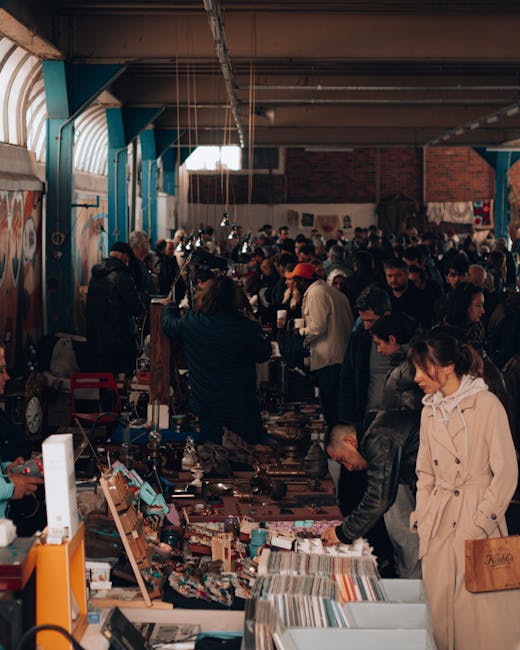
Brixton Market bulky rubbish removal insider tips for traders

If you trade at Brixton Market, bulky waste has a habit of showing up at the worst possible moment. A broken display unit after a busy weekend, flattened cardboard that will not fit in the skip, a chair with one dodgy leg, or packaging from a delivery that arrived far too early. Sound familiar? This guide to Brixton Market bulky rubbish removal insider tips for traders is built for that reality. It is practical, local, and written for people who need the rubbish gone without creating headaches for staff, neighbours, or trading hours.
Truth be told, bulky rubbish removal is not just about "getting rid of stuff". For market traders, it affects footfall, stall presentation, safety, and how smoothly your day runs. A tidy pitch feels easier to work in. Customers notice. So do inspectors, neighbouring traders, and the people trying to deliver stock through a tight space while everybody else is setting up. Below, you will find the key things that matter, how the process usually works, what to avoid, and the small decisions that make a surprisingly big difference.
- Why it matters
- How it works
- Key benefits and practical advantages
- Who needs this and when it makes sense
- Step-by-step guidance
- Expert tips for better results
- Common mistakes to avoid
- Tools, resources and recommendations
- Law, compliance, standards, or best practice
- Options, methods, or comparison table
- Case study or real-world example
- Practical checklist
- Conclusion
- Frequently asked questions
Why Brixton Market bulky rubbish removal insider tips for traders Matters
Bulky rubbish at a market is not the same as household waste. It tends to be awkward, mixed, and time-sensitive. One trader's leftover pallet can block a neighbour's stock trolley. A pile of old shelving can turn a narrow walkway into a bottleneck. And in a busy market environment, those small blockages turn into real friction very quickly.
For Brixton traders, there is also the simple matter of presentation. Brixton Market has energy, movement, colour, and constant human traffic. That is a strength, but it also means clutter stands out more than it would on a quiet industrial estate. A messy back corner becomes visible. A badly timed removal can interrupt a rush. Even a few bags left out too long can make the whole pitch feel less organised.
The insider tip here is not fancy. It is this: plan bulky rubbish removal as part of your trading rhythm, not as an afterthought. The traders who do this well usually treat waste like stock control. They know what is being thrown away, when it is likely to build up, and who is responsible for moving it. That mindset saves time and, frankly, a fair bit of stress.
Expert summary: In a market setting, bulky waste is best handled through planning, fast clearance, and clear responsibility. The cleaner the process, the less it interferes with trading, access, and customer experience.
And yes, the "I'll deal with it later" approach almost always costs more in the long run. Later tends to arrive at the busiest possible moment. Funny how that works.
How Brixton Market bulky rubbish removal insider tips for traders Works
At a practical level, bulky rubbish removal for traders usually follows a simple pattern: identify the waste, decide how urgently it needs to go, separate anything recyclable or reusable, and arrange collection in a way that fits the market's access constraints.
That sounds easy enough, but the details matter. A trader may need to clear a single bulky item after a fixture breaks, or a full pitch cleanout after a refit, stock rotation, or unit change. The bigger the job, the more important it becomes to think about access, lifting, parking, and timing. In a crowded market, even a "small" job can become difficult if no one has planned where the waste will sit while waiting to be removed.
Most removal jobs are smoother when traders do a quick pre-clearance check:
- What exactly needs removing?
- Is it one item or a mixed load?
- Can it be broken down first to save space?
- Is there anything valuable that should be kept, reused, or donated?
- Will the removal affect customer access, neighbours, or loading times?
In a busy market, the loading side of things is often the hidden challenge. A driver may need to stop briefly, and that brief stop needs to happen at a sensible time. Early morning, late closing, or a quieter trading window usually works better than trying to wrestle a sofa frame past a crowd while somebody is carrying crates of produce. Not ideal, to be fair.
If you already manage waste through a broader service arrangement, it can help to understand the type of support offered for larger items. Some traders also look at related services such as bulky waste collection support when they need a more structured one-off clearance rather than ad hoc trips to the tip.
Key Benefits and Practical Advantages
There is a direct commercial upside to getting bulky rubbish off-site properly. It is not only about tidiness; it affects how your business functions day to day.
1. Better use of small spaces
Market stalls are usually not generous with space. Every square metre matters. If old fixtures, broken crates, packaging, or redundant stock are eating up room, your staff have less space to move, display, and restock. Clearing bulky waste restores breathing room. That alone can make a hectic day feel more manageable.
2. Safer working conditions
Loose furniture, damaged shelving, splintered wood, and bent metal are all easy to trip over or catch yourself on. When people are carrying stock quickly, that risk multiplies. A clean pitch means fewer avoidable accidents. Simple as that.
3. Faster opening and closing routines
The less clutter you have to work around, the quicker setup and pack-down become. Traders often underestimate how much time gets lost moving the same awkward item from one corner to another for three days before finally dealing with it.
4. Better customer impression
A tidy stall feels cared for. Customers may not consciously think "excellent waste management", but they do notice order. It creates confidence. It also helps your product stand out instead of competing with a pile of old display boards in the background.
5. More predictable costs
When bulky waste builds up, removal becomes more urgent and less efficient. That usually means more handling and more disruption. By planning occasional clearances, traders can often keep the job simpler and avoid last-minute panic decisions.
| Benefit | What it means in practice | Why traders care |
|---|---|---|
| Space recovery | More room for stock, staff movement, and customer flow | Improves trading efficiency |
| Safety | Fewer obstructions and fewer awkward lifting hazards | Reduces avoidable accidents |
| Presentation | Cleaner pitch, stronger first impression | Supports sales and trust |
| Planning | Removal happens on your terms, not in a rush | Lowers stress during busy periods |
Who This Is For and When It Makes Sense
This is for traders who deal with more than a couple of bags. If your waste is large, awkward, heavy, or too much to manage during normal daily cleaning, bulky rubbish removal is probably the right route. That includes market sellers, food traders, clothing traders, stall holders, pop-up operators, and anyone working from a unit or shared trading space around Brixton.
It makes sense when you are:
- refreshing a stall layout
- replacing damaged furniture or fixtures
- clearing packaging after a stock delivery
- disposing of broken display units
- closing for refurbishment
- moving out of a pitch or changing setup
- dealing with overflow from a busy period
It also makes sense when the waste is too awkward to move efficiently with your own vehicle or crew. A folded table may look harmless in the morning. By the time you have loaded six other things around it, it has become a proper nuisance. Happens all the time.
If your business is built around regular stock rotation, it can help to think of bulky rubbish as part of your wider operational housekeeping. And if you want to better understand how waste collection options fit into commercial workflows, you may also find related support through bulky rubbish removal services useful when comparing approaches.
One useful rule of thumb: if the item takes more than one person to shift comfortably, or if it creates a problem for access, treat it as a planned removal rather than an "we'll just move it later" problem. Later has poor manners.
Step-by-Step Guidance
If you want a smoother clearance, follow a simple sequence. It is not glamorous, but it works.
- Identify the bulky items early. Walk the pitch with fresh eyes and list what needs to go. Include the awkward bits, not just the obvious ones.
- Sort the load. Separate anything reusable, recyclable, or confidential. Old signage, cardboard, timber, metal, and mixed waste often need different handling.
- Measure the access problem. Check door widths, alley space, loading points, and any tight corners. A load that looks manageable can become awkward very quickly.
- Choose a sensible time slot. Aim for a quieter window where trading, customers, and deliveries are less likely to clash.
- Prepare the items for removal. Disassemble what you can safely dismantle. Remove loose contents. Tape up anything sharp or unstable.
- Protect nearby stock and surfaces. A scrap of wood can scratch flooring or damage surrounding stock if it is dragged rather than lifted.
- Confirm who is responsible. Make sure staff know whether the job is in-house, shared, or handed off to a third party.
- Keep the route clear. Don't make the team weave around crates, trays, or half-open boxes. Clear the path first, then move the load.
- Do a final sweep. Small bits matter: screws, cable ties, broken straps, and packaging can all linger after the main load is gone.
A small detail that saves a lot of grief: label what is staying and what is going. If you are clearing during a fast-paced market day, people can easily move the wrong thing. A marker pen and a bit of tape can save a surprising amount of time.
If the job involves a broader clear-out rather than just one or two awkward pieces, some traders prefer a more complete removal approach through commercial bulky waste clearance, especially when there is a refit or seasonal turnover involved.
Expert Tips for Better Results
Here is where the practical insider tips come in. Small changes, big difference.
Plan around market rhythm, not just your own diary
Markets are shared spaces. Your quiet hour may be someone else's delivery rush. A good removal slot is one that respects everyone's movement, not just your own schedule. A five-minute conversation with neighbouring traders can prevent a lot of nonsense later.
Break bulky items down before they become a problem
Flat-pack when you can. Remove shelves, legs, doors, and loose fittings. A disassembled display unit is easier to carry, stack, and load. It also creates less visual clutter while waiting for collection.
Keep a small "waiting for removal" area
If space allows, set aside one corner for items pending collection. It helps stop waste spreading across the pitch. The key is discipline: once something enters that zone, it should be clearly marked and dealt with promptly.
Use weather to your advantage
Market life is not always glamorous. Rain, wind, and damp weather make waste handling more awkward. A dry spell or a calmer morning can make moving cardboard, timber, and mixed items far easier. You notice the difference straight away.
Think about noise and disruption
Dragging metal, tipping crates, and banging broken furniture around at the wrong time can unsettle customers and neighbouring stalls. A little care goes a long way. Traders with good habits tend to be the ones everyone likes working near.
Keep a record of repeat bulky waste items
If the same items keep coming up, there may be a better permanent solution. For example, if your stall produces a lot of cardboard or packaging every week, ask whether your storage, deliveries, or supplier packaging can be improved. Sometimes the best clearance job is the one you stop needing.
And one very human tip: if something feels too awkward for one person, it probably is. No prize for heroic lifting. Just sore backs and a bad mood.
Common Mistakes to Avoid
Most bulky rubbish problems are not dramatic failures. They are small planning mistakes that snowball. The good news is that they are easy to avoid once you know what to look for.
- Leaving removal too late. This creates rush, obstructed walkways, and avoidable pressure on trading hours.
- Mixing everything together. Mixed waste is harder to sort and may limit reuse or recycling opportunities.
- Blocking access routes. Even temporarily, this can frustrate other traders and create safety issues.
- Underestimating item size. Large items often look smaller before you try to move them through a narrow space. Funny how that works.
- Ignoring sharp edges or loose parts. Broken furniture and metal frames can cause injury if they are not secured.
- Not checking responsibility. In shared trading spaces, waste responsibility can get blurry unless it is clearly assigned.
- Assuming one trip will solve everything. Bigger clear-outs often need staging, not brute force.
A common real-world issue is the "temporary pile-up" that becomes permanent by accident. One delivery day gets busy, waste gets moved to a corner, then another load arrives, and suddenly the pile has become part of the scenery. It happens to the best of us. The fix is simple: set a deadline for the pile and stick to it.
Tools, Resources and Recommendations
You do not need a van full of gadgets to manage bulky rubbish well. But a few practical tools make the job easier and safer.
- Heavy-duty sacks and wrap: Useful for loose components, cables, fittings, and smaller debris.
- Tape, markers, and labels: Ideal for marking items to keep, move, or remove.
- Gloves with grip: Helpful when handling rough timber, packaging straps, or metal edges.
- Basic trolley or sack truck: Handy for moving awkward but manageable items over short distances.
- Camera phone: Good for documenting what is leaving, especially if multiple staff are involved.
- Measuring tape: Worth having if access is tight or items need to pass through narrow routes.
For traders who are comparing removal options, it can help to ask a few grounded questions before booking anything: Can the items be collected from a tight market pitch? Is the timing flexible? Is the team prepared for mixed bulky waste? Will the job be handled in one visit or staged over more than one?
Some traders also pair bulky rubbish removal with a broader declutter or clearance plan. That is especially useful after seasonal changes, shopfitting, or a change of stock direction. In those cases, a well-organised clearance service can save hours of manual sorting and repeated lifting.
If you are dealing with a one-off clear-out and want a more structured approach, you may also look at one-off bulky item collection as part of your wider planning. Use it where it fits. Keep it simple.
Law, Compliance, Standards, or Best Practice
When traders handle commercial waste, it is wise to follow accepted UK best practice around storage, transfer, and disposal. That does not mean memorising a pile of legal jargon. It means being responsible about where waste goes, who handles it, and whether any items need special care.
In practical terms, that usually means:
- keeping waste in a way that does not create a hazard
- not blocking emergency or customer access
- separating anything that may be reusable or recyclable where appropriate
- making sure waste is only passed to properly authorised handlers
- treating sharps, chemicals, or contaminated items with extra caution
Some items from market trading can fall outside ordinary bulky waste handling. For example, anything contaminated with food residue, oils, chemicals, or hygiene concerns may need more careful treatment than a simple furniture clearance. If in doubt, ask for guidance before setting it out with general bulky waste. That small pause can prevent a bigger issue later.
Best practice also means thinking about your neighbours. Shared trading spaces work best when nobody treats the passageway like a private storage cupboard. Easy to say, I know. Still true.
Where a trader is responsible for a mixed commercial clear-out, documenting what was removed and when can be a sensible operational habit. Not dramatic. Just tidy. And in business, tidy often wins.
Options, Methods, or Comparison Table
There are usually a few ways to handle bulky rubbish. The right one depends on the amount of waste, how quickly it needs to go, and how much labour you want to put in yourself.
| Method | Best for | Pros | Trade-offs |
|---|---|---|---|
| In-house removal | Small loads, simple items, very flexible timing | Direct control, no booking delay | Uses staff time and may be awkward for heavy items |
| Scheduled collection | Regular bulky waste or planned clear-outs | Predictable and easier to coordinate | Needs advance planning |
| One-off clearance | Refits, closures, big rearrangements | Efficient for larger jobs | May require staging the waste first |
| Partial disassembly before removal | Awkward furniture, shelving, display units | Saves space, easier handling | Takes a bit of prep time upfront |
The main choice is not usually "which is perfect?". It is "which is least disruptive for this week's reality?". In a market environment, disruption is the real enemy. If a slightly slower but cleaner method reduces stress for the whole row of traders, that is often the smarter call.
Case Study or Real-World Example
A Brixton trader doing a small stall refresh had accumulated the usual mix: a wobbly display shelf, two damaged chairs, old signage, packaging from a large stock delivery, and a pile of broken timber that had been "waiting to go" for nearly a week. Nothing unusual. Just the kind of messy little backlog that grows when trading is busy.
Instead of leaving the whole lot in one pile, they broke the job into three parts. First, they separated reusable stock items and removed anything they still wanted to keep. Second, they flattened the cardboard and bundled light waste so it took up less room. Third, they measured the route to the loading point and cleared the path before moving anything heavy.
The difference was immediate. The pitch looked better, staff could move more easily, and neighbouring traders were not forced to squeeze around random obstacles. The removal itself was quicker because the load had already been sorted. No drama, no scrambling, no last-minute "whose chair is this?" moment. Which, in fairness, is more common than it should be.
The real lesson from this kind of example is simple: a little preparation turns a bulky rubbish job from a disruption into a routine task. That is the whole game.
Practical Checklist
Use this checklist before any bulky rubbish removal job at Brixton Market or a similar trading space.
- Identify every bulky item that needs removing
- Separate reusable items from waste
- Check for sharp edges, loose parts, or contamination
- Measure access routes and loading space
- Choose the least disruptive time window
- Tell staff and nearby traders what is happening if relevant
- Label items clearly if some are staying on site
- Break down furniture or fixtures where safe to do so
- Protect flooring, stock, and customer paths
- Confirm who is responsible for final sweep-up
- Remove any residue, straps, or small debris afterwards
- Review what caused the waste build-up and whether it can be reduced next time
If you can tick most of those off, the job is usually going to be far easier. Not perfect, maybe, but very manageable.
Get a free quote today and see how much you can save.
Conclusion
Brixton Market bulky rubbish removal is really about protecting the rhythm of your trading day. When waste is handled well, your pitch feels calmer, safer, and easier to work in. Customers notice the order. Staff feel the difference. And you avoid the constant drain of stepping around things that should have left yesterday.
The best insider tip is still the simplest one: plan early, sort properly, and remove bulky waste before it turns into a blockage. If you treat clearance as part of the trading routine, not a nuisance afterthought, you will usually save time, avoid stress, and keep the stall looking sharp.
And that, to be fair, is what good trading spaces are made of: a bit of discipline, a bit of teamwork, and a clean floor you can actually walk across.
Frequently Asked Questions
What counts as bulky rubbish for market traders?
Bulky rubbish usually means large or awkward items such as broken chairs, display units, shelving, timber, fixtures, damaged crates, and oversized packaging. If it is hard to carry, hard to stack, or blocks space, it probably belongs in this category.
How often should Brixton Market traders arrange bulky rubbish removal?
It depends on trading volume, stock turnover, and how often you replace fixtures. Some traders only need a one-off clearance after a refit, while others benefit from a regular tidy-up schedule. The key is to prevent waste from building up for too long.
Can bulky waste be removed during trading hours?
Sometimes, yes, but it is usually better to choose a quieter window. If removal happens during busy hours, it can affect access, customer flow, and neighbouring traders. Early mornings or off-peak times are often easier.
Should I break bulky items down before collection?
Yes, where it is safe and practical. Dismantling furniture or fixtures can make the load smaller, easier to move, and less disruptive. Just avoid unsafe dismantling or anything that could create sharp hazards.
What if my bulky waste includes mixed materials?
Mixed materials are common in market settings. Try to separate recyclable or reusable items where possible, then group the rest sensibly. Mixing everything together tends to make the job harder and less efficient.
Are there special rules for contaminated or food-related items?
Yes, these items may need more care than ordinary bulky waste. If something is contaminated with food residue, oils, or chemicals, treat it cautiously and ask for guidance before placing it with general waste. Better safe than sorry, honestly.
What is the best way to prepare for a bulky waste clearance?
Make a clear list of items, measure access points, sort what can be reused, and choose a sensible time slot. A short preparation session often saves much more time later. It also reduces confusion on the day.
How do I avoid blocking other traders?
Keep the waste in a designated waiting area, communicate timing where needed, and avoid leaving items in shared walkways. Small market spaces rely on good manners as much as good logistics.
Is bulky rubbish removal expensive for small traders?
Costs vary depending on the size of the load, how much handling is needed, and how quickly the work must be done. Small, well-prepared jobs are usually easier to manage than rushed clear-outs with mixed waste and poor access.
What is the biggest mistake traders make with bulky rubbish?
The most common mistake is leaving it too late. Once waste starts blocking space or stacking up in a corner, the job becomes more awkward and more disruptive. Early planning makes a bigger difference than people expect.
Can bulky rubbish removal help improve sales?
Indirectly, yes. A cleaner, better-organised pitch is easier for customers to navigate and more pleasant to shop in. It also helps staff work faster, which can improve day-to-day trading performance.
What should I do after the bulky rubbish has been removed?
Do a final sweep for small debris, check that nothing useful has been taken by mistake, and review why the waste built up in the first place. A quick review helps you prevent repeat clutter next time.